Saturday, December 16, 2017

Ionis scientists provide initial assessment of successful Phase 1/2a Huntington’s disease trial and discuss next steps


After announcing December 11 that Ionis Pharmaceuticals’ gene-silencing drug for Huntington’s disease safely reduced the production of the toxic HD protein, company officials analyzed the firm’s successful Phase 1/2a clinical trial and discussed the next step: larger trials that are designed to test IONIS-HTTRx’s efficacy in alleviating symptoms by modifying the course of the disease.

I met with two lead scientists from Ionis’ HD team at company headquarters in Carlsbad, CA: Frank Bennett, Ph.D., Ionis senior vice president of research and the franchise leader for the company’s neurology programs, and Anne Smith, Ph.D., the Ionis director of clinical development and the individual responsible for the day-to-day management of the trial.

Drs. Bennett and Smith stressed that, because the two-year trial ended just last month, they could provide only an initial assessment of the results. The company plans to present detailed clinical trial findings at medical conferences in early 2018 and then publish the results in scientific journals.

Ionis will transfer administration of the next clinical trial phases to Roche, a key partner in the project since 2013. Roche now holds the license to IONIS-HTTRx, will lead further development, and handle all potential sales. Phase 1/2a took place in Canada, England, and Germany, but the next phase will have sites in the U.S. and other countries, to be determined next year by Roche. Ionis will continue to play an advisory role in the project.

“We are very appreciative of the community, and the patience that the community has exhibited,” Dr. Bennett said. “We understand how important this is for the HD community. We’re very pleased it’s going forward. The community has been very respectful towards the company and has allowed us to conduct this study in a way that was very robust.”

Drs. Bennett and Smith focused on how the trial revealed a reduction in the mutant huntingtin protein that “substantially exceeded our expectations,” according to the December 11 press release. The key, initial piece of trial data came from the measurement of the protein in the HD patients’ cerebrospinal fluid (CSF). Other trial data such as brain scans and blood samples will become available later.

IONIS-HTTRx and other Ionis drugs are antisense oligonucleotides (ASOs, artificial strands of DNA), which alter the expression of genes. In August 2016, Ionis and its partner Biogen actually halted a Phase 3 trial of an Ionis ASO in infants with spinal muscular atrophy (a motor neuron disease) because the drug was extending their lives. The FDA (Food and Drug Administration) approved the drug, with the commercial name SPINRAZA, in December 2016.

In October, Ionis and Biogen won a biotechnology prize for SPINRAZA (click here to read more). Ionis is also collaborating with Biogen to develop a drug for amyotrophic lateral sclerosis (Lou Gehrig’s disease).


Dr. Frank Bennett (left) with Gene Veritas (aka Kenneth P. Serbin) and Dr. Anne Smith (photo by Kristina Bowyer, Ionis)

Following are key excerpts from the interview.

Compelling changes in mutant huntingtin levels

GV: How did patients react to the intrathecal administration of the drug, that is, via a spinal tap?

AS: We didn’t hear from any of the physicians that there were any difficulties. There was probably some nervousness, but there were few side effects, and that ones they had were manageable. I think it’s telling that all 46 patients completed the trial.

GV: What was observed in the HD patients in this trial?

AS: We’re still in the process of getting these next waves of data in. That will come out over months. It’s important to recognize that the trial just ended in November. But at this stage we did see a promising safety profile, meaning that we didn’t have any clinical concerns with the drug.

We saw clear, compelling changes in mutant huntingtin levels in the CSF. It was sort of gravy in this study. It’s designed as a safety study. We didn’t know when we entered the study whether we’d be able to even measure mutant huntingtin in CSF. But it is the best evidence of target engagement that we have – meaning that it is evidence that the drug is doing what it ought to do.

We were pleased that the assay [lab test] was developed to the point that we could use it to measure mutant huntingtin. The test is relatively new and fortunately came online at about the right time that we needed it.


The label from the first vial of the Phase 1/2a clinical trial, administered in London, September 2015 (photo by Gene Veritas)

GV: The reductions of mutant huntingtin “substantially exceeded” your expectations. To what extent?

FB: When we began the program with Roche, we picked a target level of reduction of mutant huntingtin in CSF, and, based upon that, we would decide to go forward with the program [into the next phase].

We put the mutant huntingtin data at the top of the list, because it was the data that was going to drive a business decision from Roche, but also, importantly, it was the data that would help them design the next study. So we prioritized that as being the first thing we would look at. It’s the basis for telling us what are the doses that we should be using for the next study.

GV: So can you specify the amount of mutant huntingtin reduction?

FB: We’re going to save that for a medical meeting.

Phase 1/2a too early for improving symptoms

GV: You project from your pre-clinical animal studies that the level of reduction in the brain itself should be greater than what is seen in the CSF, correct?

FB: Yes. An important nuance for the community is that the level of reduction that we’re seeing in CSF is not a one-to-one correlation with the level in [brain] tissue, which is where you want the drug to be working. We haven’t proven it in patients, but we’re very confident that it will translate [into higher levels of reduction in the brain].

AS: We’ve tested this drug in several species and are able to understand that relationship between what you see in CSF versus what you see in [brain] tissue, which is why it was really important this assay [CSF measurement] was online. It really is a window into the brain.

To understand that relationship in animals, the animals have to be sacrificed, to measure the level in the [brain] tissue. So we won’t ever ‘prove’ it in humans, so to speak, but we have a good understanding of it through the animals. And that it’s consistent from species to species is comforting. We can draw a conclusion about what’s likely happening in the human.

GV: Many in the HD community want to know: in this trial, did you see any signs of disease modification? Were there any hints at all from the doctors or from the data?

AS: We get anecdotal reports from physicians, but this is a population with a high placebo effect. These are motivated and excited physicians and patients as well. So I wouldn’t read anything into that. It’ll be several months before we have an understanding, though I would really caution any expectations along those fronts, because this is a short-term study.

We’re not expecting to see any sort of disease modification, just because of the way the study was designed. We dosed for three months, but it wasn’t even full drug effect for three months, because you build up the effect. This is the precursor to what would be long-term dosing.

GV: Have you observed whether there was also a reduction in the wild type (normal) huntingtin protein that all HD patients also have?

FB: There isn’t a good assay [lab test] for measuring wild type at this point. We have the samples, and once the assay is robust enough, we’ll look at it. The team is working on it, as well as others.

GV: Were there any surprises in the data that you’ve seen so far?

FB: It’s only surprising that it’s worked as we predicted it would [laughter]. Oftentimes when you go from pre-clinical to clinical, things don’t quite work out as well. But the drug is doing what it should be doing, which is lowering mutant huntingtin in cerebrospinal fluid. I think it’s all very positive from that perspective.

Phase 2 versus Phase 3

GV: What have you learned that will be helpful in planning phase 2?

FB: We asked a lot of the sites and the patients – because we collected a tremendous amount of data from them – for data that will be useful in designing a Phase 3 trial. We wanted to figure out which of the clinical outcome measures, which of the imaging measures, is actually reproducible, robust, and sensitive, to make sure it’s not “noisy” data.

AS: Another important learning will be whether there are differences from site to site. In a multi-site, multi-country trial, if a particular test just doesn’t translate well to German, for example, then we’ll have learned that. We can spare Roche from collecting data that are difficult to interpret, because they’re difficult to operationalize across sites and countries.

GV: You said “Phase 3” and not Phase 2. Why?

FB: Yes. At this point, Roche has not made a final decision on the next step. One of the options being considered is going right to a Phase 3 study. There’s a trade-off. You can do a smaller Phase 2 study – get more data that make it more probable that you’ll be successful for the Phase 3 – or you can go directly to a Phase 3 study. Those are the decisions that Roche is looking at right now very carefully.

The plus side is: if they go right to Phase 3, it would accelerate getting the drug to market. When we’ve reviewed with them the size of the study and the time of the study, there’s not a big difference between doing a Phase 3 and doing a more traditional Phase 2 first. It’s more expensive to go right to Phase 3, but it would save a lot of time.

GV: For an entity such as the FDA, is it okay to go from a Phase 1/2a to a Phase 3?

FB: The FDA will pay a lot of attention to the safety of the drug which – so far, knock on wood – looks very good. And then they leave it to the sponsor whether they want to risk the program. They may advise – because they ultimately want the drug to be successful, too – that this isn’t the best thing to do, but ultimately that’s the drug company’s decision. Roche will engage with the FDA.

GV: What is leading Roche to think it could maybe go directly to a Phase 3?

FB: It’s safety and tolerability [shown in Phase 1/2a], and the fact that we now know what dose of the drug produces this level of huntingtin lowering. Without that, they wouldn’t be able to go to Phase 3, but with that data, you could say that “this dose” should then produce “this level” of huntingtin lowering.

GV: Going straight to Phase 3, how much shorter would the whole program be?

AS: It’s definitely in the years.

FB: Yes, because if they were to do a Phase 2 study first, it would probably take three years to enroll and run. Roche wants to get this drug to patients as quickly as possible, assuming it works. They understand the disease. They understand the need for the patients.

GV: Whether Phase 2 or 3, when would the next study begin?

FB: I would anticipate towards the end of next year.

An important milestone

GV: What is the historical significance of the Ionis breakthrough?

FB: It’s an important milestone for the Huntington’s community. The mutation in the huntingtin gene was described in 1993. This is the first drug to go into clinical trials that is directly on target. It addresses the cause of the disease. We’re extremely excited that we’re actually seeing this basic science and all the work that NIH and other agencies have funded over the last 25 years now being translated into something that could actually have an impact for Huntington’s patients.

This bodes well for other neurological diseases. It has potential to markedly change how we treat those diseases. Perhaps this technology platform [the Ionis gene-silencing approach] would be beneficial for them as well. For patients out there overall, this is extremely important.

(For additional information about next steps in the IONIS-HTTRx program, click here for a Q & A with Dr. Ed Wild, an advisor and investigator of the program. You can also read a FAQS from the Huntington's Disease Society of America by clicking here.)

(Disclosure: I hold a symbolic amount of Ionis shares.)

(In the video below, watch my report on the December 11 Ionis announcement.)


Monday, December 11, 2017

Ionis drug successfully reduces toxic Huntington’s disease protein, paving way for Phase 2 trial of effect on patients

In an initial clinical trial that marks a significant step toward finding an effective Huntington’s disease treatment, the Ionis Pharmaceuticals gene-silencing drug safely reduced the production of the toxic mutant protein implicated in HD, the firm announced today.

Ionis has handed development of the expected Phase 2 trial to its partner in the project, the multinational pharmaceutical giant Roche, earning a $45 million license fee, today’s Ionis press release stated. The drug is called IONIS-HTTRx: “HTT” stands for both the huntingtin gene and the protein it produces, and “Rx” signifies a remedy.

The trial was officially classified as Phase 1/2a. A Phase 1 trial measure’s a drug’s safety and tolerability in a small number of participants, while a Phase 2 trial examines efficacy in a larger group of patients. Though mainly Phase 1, this trial had elements of a Phase 2: actual HD patients took part, and it sought to determine whether the drug’s basic mechanism worked.

“We are encouraged by the performance of IONIS-HTTRx in the Phase 1/2a clinical study,” Frank Bennett, Ph.D., Ionis senior vice president of research, stated in the release.

The reductions of the mutant protein “observed in the study substantially exceeded our expectations,” Dr. Bennett added. The study, which involved 46 participants with early HD symptoms, did not assess whether that reduction slowed disease progression.

Ionis stated that “dose-dependent reductions of mHTT were observed” in the trial: the higher the dosage, the greater the reduction in the amount of the mutant protein.

“We were equally encouraged by the safety profile of the drug,” Dr. Bennett stated.

“The results of this trial are of ground-breaking importance for Huntington’s disease patients and families,” stated Dr. Sarah Tabrizi, professor of clinical neurology, director of the University College London’s Huntington Centre, and the global lead investigator on the Phase 1/2a study. “For the first time, a drug has lowered the level of the toxic disease-causing protein in the nervous system, and the drug was safe and well tolerated. The key now is to move quickly to a larger trial to test whether IONIS-HTTRx slows disease progression.”


Frank Bennett, Ph.D. (above, photo by Kristina Bowyer, Ionis) and Dr. Sarah Tabrizi (below, photo by Gene Veritas)


Pharma giant Roche steps in

Ionis officials stated in June that a Phase 2 study could start as soon as 2018. Typically, all three phases of a clinical trial project take at least five years, although nobody can predict the actual course of a trial.

In 2013, Ionis, a mid-sized drug-discovery firm that does not produce or sell drugs or conduct clinical trials on its own, partnered with Roche, one of the world’s largest and most successful pharmaceutical companies (click here and here to read more). Roche’s expertise includes neurodegenerative brain diseases.

Roche will now take over the development of IONIS-HTTRx, including the Phase 2 and potential Phase 3 trials and bringing the drug to market. It will hold the license to the drug.

Roche also will administer the open-label extension of the Phase 1/2a study, announced in June, whereby all patients – including those who got a placebo – will continue to receive the drug. The extension allows researchers to gather more data, examine the drug’s effects over a longer period of time, and better prepare for Phase 2. Patients also potentially benefit by receiving the drug longer.

Phase 2 to include United States

By attacking Huntington’s disease near its genetic roots, IONIS-HTTRx could potentially reduce, partly reverse, and even prevent symptoms. Ionis drugs are antisense oligonucleotides, artificial strands of DNA. The drug aims to turn off the huntingtin gene messenger RNA that contains the instructions to make the huntingtin protein in brain cells.

Forty-six patients took part in the Phase 1/2a trial at sites in Canada, Germany, and England.

“Today is an exciting day for the Huntington’s disease community,” a joint Ionis-Roche letter to the HD community stated. “Future studies for the program will be conducted globally, including in the U.S. Roche will announce details about future studies, including eligibility criteria and planned start dates, as this information becomes available.”

More than a decade of research

IONIS-HTTRx resulted from more than a decade of research involving Ionis, Roche, the lab of neurobiologist Donald Cleveland, Ph.D., at the University of California, San Diego, and CHDI Foundation, Inc., the nonprofit virtual biotech firm aimed solely at finding (and funding) HD treatments.

On December 3, Dr. Cleveland received the $3 million Breakthrough Prize, the world’s richest science award, sponsored by Google, Facebook, and other entities. It is twice the value of the Nobel Prize. Dr. Cleveland received recognition for his career contributions to the life sciences, including work on a cause of Alzheimer’s disease. (Click here to read more.)

Dr. Cleveland was honored at the 2012 gala of the San Diego Chapter of the Huntington’s Disease Society of America. For a recent article explaining the Dr. Cleveland’s role in the Ionis project, click here.

In interviews today, I hope to obtain further details about the progress regarding IONIS-HTTRx.

HDBuzz’s take: a historic breakthrough

The HD research site HDBuzz, produced by scientists, stated that today’s announcement is “likely to stand as one of the biggest breakthroughs in Huntington’s disease since the discovery of the HD gene in 1993.”

The site’s article, written by Jeff Carroll, Ph.D. – an HD-gene carrier like me and a scientist dedicating his career to finding HD treatments – asserted that the “most exciting” part of today’s news is that “dose-dependent reductions of mutant huntingtin were observed.”

The clinical trial administrators know this because they examined samples of participants’ cerebrospinal fluid, which runs along the spine and into the brain. Participants received injections of the drug via a spinal tap.

“This means that patients treated with IONIS-HTTRx have reductions in the huntingtin protein in their cerebrospinal fluid,” Dr. Carroll wrote. “Based on this result, it looks like the drug is doing what it’s meant to do, and that huntingtin lowering has been achieved!”

Dr. Wild concluded: “This is a great day in the HD community, and it sets us on the path to even more exciting work in 2018. For the first time in history, HD patients are being treated with drugs known to reduce the amount of huntingtin protein in their brain. Until we conduct the next trial, we won’t know if this reduces the impact of HD. And while we know the drug is safe in the short term, we will also have to watch carefully for any long-term adverse effects. But we’re facing this problem with renewed excitement and hope. It’s the best early Christmas present we could have hoped for.”


Jeff Carroll, Ph.D., at the 2012 CHDI-sponsored HD therapeutics conference (photo by Gene Veritas)

(Disclosure: I hold a symbolic amount of Ionis shares.)

Friday, November 10, 2017

A time for hope: HDSA’s 50th anniversary, a record-setting gala, and the impending release of highly anticipated clinical trial results

This year, Pope Francis’ historic “Hidden No More” audience with the Huntington’s disease community has understandably overshadowed another milestone in the HD cause: the 50th anniversary of the Huntington’s Disease Society of America (HDSA).

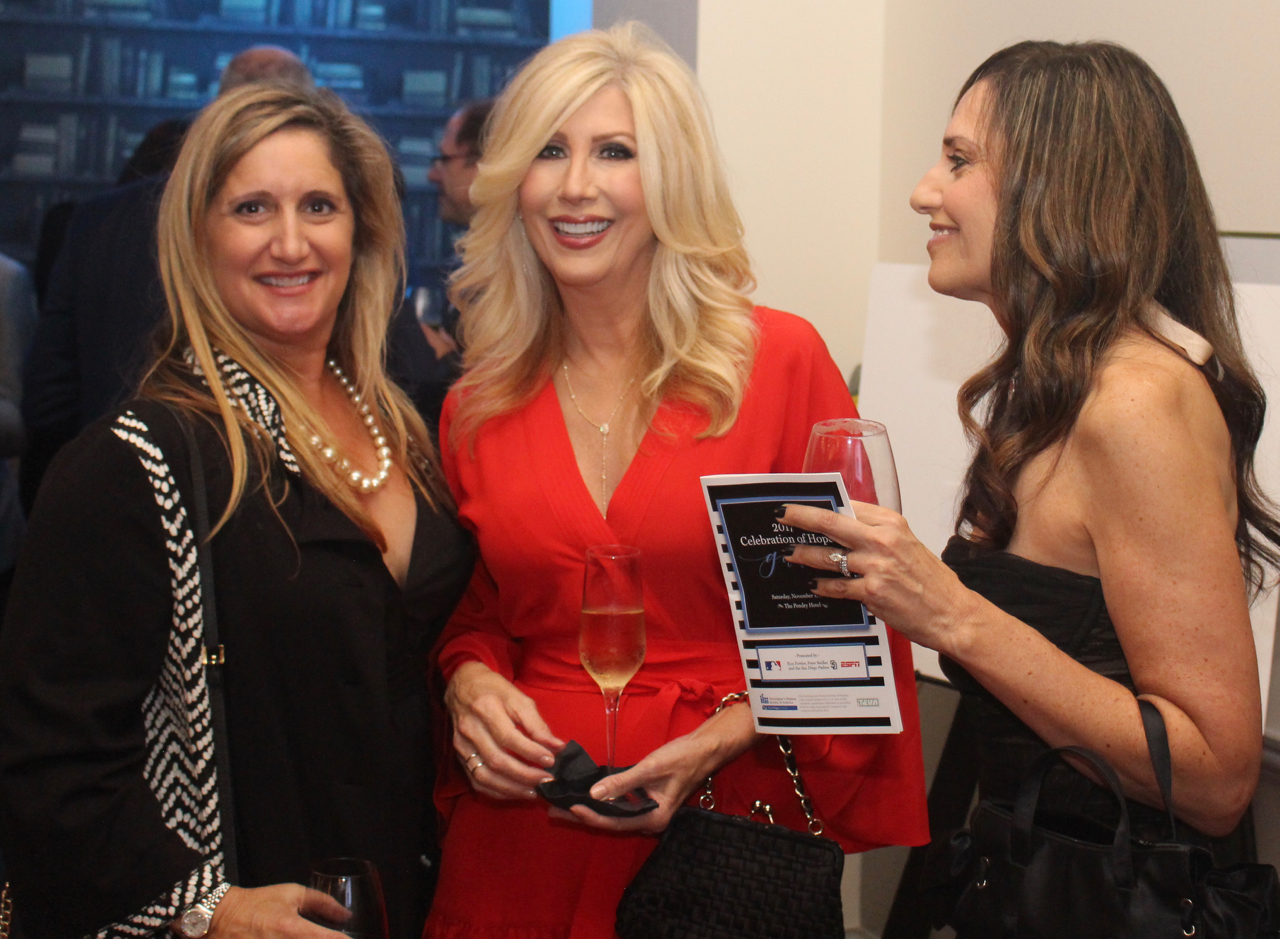
However, on November 4 the spirit of HDSA, embodied in founder Marjorie Guthrie’s goal of a cure, helped fuel new hopes: the San Diego chapter’s sixteenth gala, recalling HDSA’s start in 1967 and honoring celebrated ESPN sportscaster Chris Berman, raised more than $250,000, a national record for chapters. It was the society’s most successful fundraising event of the last decade.

Also, for the first time, the gala attendees included top scientists from Ionis Pharmaceuticals, Inc., which, by January 2018, expects to release results of its highly anticipated Phase 1 gene-silencing clinical trial.

It was also the first time an HDSA chairman of the board attended: Chair Arik Johnson, Psy.D., the staff psychologist at the HDSA Center of Excellence at the University of California, Los Angeles, joined HDSA CEO Louise Vetter at the event.

It was a striking convergence of history, people, and research progress.

The gala was organized by HDSA-San Diego and the chapter’s former president, Bill Johnston. Johnston left a 38-year career as PR director for the San Diego Chargers football team, which moved to Los Angeles, to keep his HD-stricken wife Ramona at Edgemoor Hospital, an award-winning care facility in nearby Santee. Johnston now works as special advisor to Ron Fowler, the executive chairman and co-owner of the San Diego Padres baseball team and a long-time supporter of HDSA-San Diego.

“It was so rewarding to see the extended HD community having a wonderful evening and enjoying a series of heartfelt and humorous stories about Marjorie Guthrie, the Johnstons and the 2017 Guthrie Awardee, Chris Berman,” HDSA-San Diego President Beth Hoffman, Ph.D., said after the event. “Generosity was in the air, and we’re so grateful to everyone who dug deep to support HD families and to find a cure for HD.”


HDSA CEO Louise Vetter addressing the gala (photo by Derrick Tuskan)

Marjorie Guthrie’s vision for a cure

More than 300 people attended the gala, held at the Pendry San Diego Hotel, including members of the Padres organization, sports and local celebrities, drug company representatives, HD researchers and clinicians, and HD family members.

In her speech, Vetter described HD’s devastating symptoms, its impact on families, and the story of Guthrie’s founding of what would become HDSA after her husband, folk singer and social activist Woody Guthrie, died of HD in 1967. Guthrie began in a time before the Internet: she placed a classified ad in The New York Times seeking contact with other families affected by a disease mainly unknown, even to New York’s medical community.

“In three months, she had 35 families affected by Huntington’s disease that were meeting around her kitchen table and dreaming about developing a cure for HD,” Vetter said. “That’s how the Huntington’s Disease Society of America was born. And at 50 years, we mark the amazing vision that this woman had to really set a course for a community to come together and provide support for one another.”

Today HDSA provides education about HD, supports research, and advocates for better care for HD-affected individuals, Vetter added. It now has more than 40 Centers of Excellence (COE), which provide a variety of family services and involve the community in research studies and clinical trials.

In a pre-gala interview, board chair Johnson outlined some of the ways in which HDSA and COEs are assisting affected individuals and families with HD’s daunting psychological and behavioral symptoms. “We have a Telehealth program for people to call in and talk to a trained social worker or psychologist who has been educated in Huntington’s disease,” he said.

You can watch Vetter’s speech in the video below. Click here to watch my interview with Dr. Johnson.

‘A heart for people that need a voice’

After the audience watched an ESPN report on the Johnston family’s struggles and leadership of the cause, Johnston received a standing ovation as he approached the podium. Johnston’s daughter Hayley, who has not tested for the inheritable genetic defect that causes HD, appears in the video.

“If my wife were here, then it would make sense that you’re standing up,” Johnston told the audience, explaining that Ramona’s advanced symptoms caused her to miss the event for the first time. “My wife is my hero. I appreciate everybody being here tonight. Hayley said it in that video about this disease: people don’t really know what it is until you see it. I wish Ramona could be here. She would be here, if she could.”

Johnston noted that Berman and Fowler have been the “biggest” and “most consistent” contributors to his fundraising efforts. Fowler was honored at the 2013 San Diego gala.

Johnston recalled his friendship with Berman, begun in the 1980s when he started at the Chargers and Berman was at ESPN. Starting in the 1990s, around 6 a.m. every Sunday during football season, Johnston updated Berman on Chargers news for the sportscaster’s reports.

“We just talked football,” Johnston said. “And then when Ramona got diagnosed, I could not have that conversation without him asking first how was Ramona, how are the kids. Every year, at the end of the year, a check would show up in the mail, unannounced, unrequested, a donation. Our honoree has been a huge friend of our organization and the effort to find a cure, find a treatment, for this disease.”

Berman does more than write checks, Johnston added. Berman, he said, “shows to me a commitment and a caring and a heart for people that need a voice, and that’s what this disease needs. It needs people to talk about it, to learn about it. And that’s why we’re doing what we’re doing here tonight.”


Bill Johnston (left) and 2017 Guthrie Award Honoree Chris Berman (photo by Derrick Tuskan)

‘Advancing the ball’ for HDSA

In accepting the Guthrie Award, Berman praised Johnston’s commitment.

“Billy is as loyal as they come,” he said, referring to Johnston’s decision to stay in San Diego. “Is there anything more admirable than that?”

Berman recalled that, after his wife’s death in a car accident in May, Johnston flew to the East Coast for the funeral. Johnston and other “true friends” have helped him overcome his grief, he said.

“You realize that, when times are the toughest, your friends and people bonding together is the way we all can advance the ball, if you will, to use a football term. They’ve helped me do that. And that’s where we are with Bill, and Hayley, who’s here tonight, and the Johnston family and countless other families just like this family.”

You can watch Johnston’s and Berman’s remarks in the video below.


Baking the clinical trial cake

Earlier, I watched as Ionis scientists bid on silent auction items using a mobile phone app. I greeted several of the Ionis officials, including Frank Bennett, the senior vice president for research, who attended the gala for the first time.

Dr. Bennett has overseen the ten-year development of IONIS-HTTRx, a gene-silencing drug that aims to alleviate HD symptoms by reducing production of the huntingtin protein in brain cells. The drug entered a Phase 1 clinical trial in September 2015 in Canada, England, and Germany. The company expects results to become available in the next two months.

Currently, to protect against bias as clinical trial administrators analyze the results, Dr. Bennett and the Ionis HD team cannot access the data. That’s standard clinical trial protocol.

Recalling a metaphor used in formal interviews about IONIS-HTTRx, Dr. Bennett referred to the project as a “cake in the oven.” The team is awaiting the opening of the oven to learn the results.

If successful, IONIS-HTTRx would mark the first effective treatment – though not a cure – for a brain disease.


The Ionis Pharmaceuticals table: (clockwise from left) Chris Bragg, Stacy Raysin (Dr. Bennett's assistant), Eric Swayze, Ph.D., Carolyn Swayze, Lisa Lane, Roger Lane, M.D., Brad Smith, Anne Smith, Ph.D., Frank Bennett, Ph.D., and Paula Bennett (photo by Gene Veritas, aka Kenneth P. Serbin)

Close to treatments

Jody Corey-Bloom, M.D., Ph.D., the director of the COE at the University of California, San Diego, also attended with her husband Floyd Bloom, M.D., staff, and members of the HD community. So did representatives of Teva Pharmaceutical Industries, a major sponsor of HDSA galas and the manufacturer of AUSTEDO, a recently approved drug – developed in San Diego – that alleviates HD’s involuntary movements but does not slow progression of the disease.

On October 30, Dr. Corey-Bloom gave her annual Huntington’s disease research update at the HDSA-San Diego support group. Most of her talk focused on gene silencing and the Ionis trial.

She also spoke on her groundbreaking research on the presence of huntingtin protein in saliva – a potential marker of both disease onset and progression and also of medications’ impact. Saliva is easier and far safer to collect than blood and cerebrospinal fluid, which are also under study for markers. (Click here for a scientific presentation on this topic.)

“This is an incredibly exciting time for HD,” Dr. Corey-Bloom concluded. “I think really we’re on the edge of really discovering something here, and being able to treat this disease. If we can’t cure it, we can slow it down.”

To watch Dr. Corey-Bloom’s presentation, click here.


Dr. Jody Corey-Bloom's table: (clockwise from front) HD family member Linda Pohl, Pablo Garcia, Lily Garcia (Dr. Corey-Bloom's assistant), Steve Granger, Ph.D., chief scientific officer at Salimetrics, LLC, Beth Thomas, Ph.D., The Scripps Research Institute, Dr. Corey-Bloom, Floyd Bloom, M.D., and HD family member Margaret Schroeder (photo by Gene Veritas, aka Kenneth P. Serbin) 

A true celebration of hope

I’ve attended every San Diego gala but one. As always, it was simultaneously exhilarating and emotionally draining.

I was thrilled to see the especially large group of scientists, researchers, and clinical workers. I was able to introduce several of these mutual contacts to each other. I also enjoyed listening to Berman talk about his career as a broadcaster, one of the highlights of the evening (click here to watch an excerpt).

When I greeted Johnston, I told him that my recent, annual neurological checkup showed no signs of HD. I’m 57; my HD-stricken mother’s symptoms started in her late 40s.

However, seeing “HD brothers and sisters” like Tim Schroeder and Sharon Shaffer, both deeply affected by the disease, reminded me of my likely future unless a treatment is found soon.

Yet this gala lived up to its name: a celebration of hope. My heart jumped as I realized it would set a fundraising record.

I’m hoping it will jump even more when the Ionis Phase 1 results come out.


Above, from left to right, Fran Walker, daughter Sharon Shaffer (seated), Taylor Shaffer, Renato, Shaffer, and Alexa Shaffer (photo by Gene Veritas, aka Kenneth P. Serbin). Below, Gene Veritas with HDSA-San Diego supporter Mary Wisco (photo by Bob Walker).


(Disclosure: I hold a symbolic amount of Ionis shares.) 

(Scroll down for other photo highlights.)


Chris Berman (left) and Ron Fowler, executive chairman and co-owner of the San Diego Padres (photo by Derrick Tuskan)


HDSA-San Diego president Beth Hoffman, Ph.D., (left) and Beth A. Thomas, Ph.D., The Scripps Research Institute (photo by Gene Veritas, aka Kenneth P. Serbin)


Mike and Jan Neil, HDSA-San Diego supporters (photo by Gene Veritas)


Nina Detrow (left), KGTV news anchor Kimberly Hunt, and Lori Ello (photo by Gene Veritas)


Bill and Hayley Johnston (left) with Liya Sharif and Pete Lancia of Qualcomm (photo by Gene Veritas)


The HDSA San Diego Center of Excellence/UC San Diego/Teva table: clockwise, starting in the foreground, Ameera Haque (UCSD research assistant), Gayle Paddison (Teva clinical nurse educator), Mr. Paddison, Amy Rahilly, Jeff Rahilly (Teva), Aeri Kim (UCSD research assistant), Chase Snell (UCSD research coordinator), Sungmee Park (UCSD research coordinator), Ayesha Haque (UCSD research assistant), and Rina Patel (UCSD research assistant) (photo by Gene Veritas)


HDSA-San Diego board member Paul June (middle) with supporters Amy and Cam Stephens (photo by Gene Veritas)


Scott Yoffe and HDSA-San Diego board member Nan Pace (photo by Gene Veritas)


HD family member Doug Schulte (photo by Gene Veritas)


Former HDSA-San Diego president George Essig (standing) toasts with friends (photo by Derrick Tuskan).

Sunday, October 22, 2017

Advocacy in the workplace: raising awareness about Huntington’s disease and brain health

In the fight to defeat Huntington’s disease and other brain disorders, advocacy in the workplace can attract new allies, boost awareness, and serve as a bridge to resources for those facing HD.

November 4 will mark five years since I went public about my gene-positive HD status in my essay “Racing Against the Genetic Clock,” published in The Chronicle of Higher Education.

Before that day in 2012, I lived in the “terrible and lonely HD closet,” with virtually nobody outside the HD community, family, and close friends aware of my family’s struggles. My name appeared nowhere in the local, tri-annual HD newsletter that I wrote and edited from 2001-2007. I began this blog in 2005 with a pseudonym, “Gene Veritas,” “the truth in my genes,” a reflection of my status as an HD-gene carrier.

Starting with the Chronicle article, I have integrated my advocacy into my work as a professor at the University of San Diego (USD).

Bioethical challenges

In 2014, I started collaborating with Laura Rivard, Ph.D., an adjunct professor in the USD Department of Biology who teaches a course on bioethics. One of her students, Nazin Sedehi, recorded a video interview of me recalling my family’s experiences with genetic testing for two websites aimed at helping a general audience explore bioethical dilemmas.

I’ve spoken on HD to Dr. Rivard’s class three times. In February 2016, I gave a presentation titled “Huntington’s Disease and Bioethics: A Personal Case Study.” The talk focused on how advances in medicine and biotechnology have provided new tools for understanding both human biology and the situation of HD-affected individuals and families.

“These changes – these huge transformations that we’ve been going through scientifically and socially – have put people in unprecedented predicaments and thus, they are creating new bioethical challenges,” I stated. I reflected on how HD families faced decisions about predictive testing, family planning, abortion, suicide, euthanasia, and more.

You can watch my presentation in the video below. During the other class sessions, I provided commentary and answered questions after we watched the HBO documentary The Lion’s Mouth Opens, about young filmmaker-actress Marianna Palka’s decision to get tested for HD.

‘You are precious’

My advocacy reached a milestone in May, when I traveled with my family to Rome to help represent the U.S. HD community at HDdennomore: Pope Francis’ Special Audience with the Huntington’s Disease Community in Solidarity with South America. I reported on the audience in several blog posts (click here to read one example).

My trip was made possible by USD’s College of Arts and Sciences, the Frances G. Harpst Center for Catholic Thought and Culture (CCTC), the International Center, and the Department of History. Back home, on September 28 I gave a talk exploring the social, scientific, and religious meaning of this extraordinary event. Some 60 students, faculty, and members of the San Diego HD community attended.

In one of the most emotional speeches I have given, I repeated the words of Francis’ address that most moved me:

For Jesus, disease is never an obstacle to encountering people, but rather, the contrary. He taught us that the human person is always precious, always endowed with a dignity that nothing and no one can erase, not even disease. Fragility is not an ill. And disease, which is an expression of fragility, cannot and must not make us forget that in the eyes of God our value is always priceless. Disease can also be an opportunity for encounter, for sharing, for solidarity. The sick people who encountered Jesus were restored above all by this awareness. They felt they were listened to, respected, loved. May none of you ever feel you are alone; may none of you feel you are a burden; may no one feel the need to run away. You are precious in the eyes of God; you are precious in the eyes of the Church!

I told the audience: “I saw HD turn my mother into a shadow of herself. I deeply fear losing my ability to speak and, especially, to write. Hearing that we HD people are ‘precious’ was a huge morale booster.”

I hope that my presentation raises awareness about HD in the U.S. Catholic community and beyond, and helps spur at-risk individuals and others to exit the HD closet and join the movement.

You can watch the speech in the video below, recorded and edited by Scott Lundergan of USD media services.


Warning about football’s dangers

On October 17, another dimension of my workplace advocacy – the effort to raise awareness at the university about the dangers of tackle football – reached a crescendo. A resolution to ban football at USD, proposed by Daniel Sheehan, Ph.D., Nadav Goldschmied, Ph.D., and me, was voted on in the Academic Assembly of the College of Arts and Sciences.

USD football is a non-scholarship sport, so its profile is not as high as at some campuses, but it has fervent fans among students, alumni, and even faculty. At a USD Faculty Senate meeting last December, President James T. Harris III, D.Ed., reaffirmed his opposition to cancelling the program because, in his words, “no universities have closed their football program […]  because of concussion evidence yet.”

In the weeks leading up to the meeting, I remembered Pope Francis’ encouragement. I also frequently recalled my mother’s struggle with HD and my father, the “HD warrior” who cared for her for more than a decade.

Our resolution focused on the scientific evidence about football’s threat to the brain, especially the disease known as CTE (chronic traumatic encephalopathy), first seen in boxers in the 1920s and, over the past ten years, identified in the autopsies of an increasing number of National Football League, college, and high school players. We cited the publication in July of an article in the Journal of the American Medical Association documenting CTE in 110 of 111 autopsies of decease NFL players. (For the resolution’s rationale, please click here).

CTE produces symptoms similar to HD and other neurological diseases such as aggressiveness and cognitive loss.

However, many faculty members defended the football program because of virtues such as character-building. Surprisingly, this group included biologists and other natural science specialists.

After one of the most heated faculty debates I have witnessed in 25 years at USD, the motion lost, 50-26. However, 30 professors abstained – reflecting perhaps discomfort about offending their colleagues and/or indecision on the matter.

As a brain health advocate, I was disturbed by the vote. In an upcoming article, I will explore the USD debate in detail, in particular how it shows how scientific evidence is often ignored or manipulated in critical debates, and what this means for the HD and other disease communities.

Immediately after the assembly, I met with about 70 members of USD’s chapter of Phi Delta Epsilon, the co-ed pre-medical fraternity, to speak on HD and the papal audience. I urged them, as future members of the health professions, to be aware of CTE and to safeguard the well-being of football players. I also defended the continued inclusion in our health system of those with pre-existing conditions like me who in the past often hid their potential illnesses.

Fraternity president Nicholas DiChristofano pledged that the organization would support the HD community.

A student stands up for her family

As a result of my public stance, USD faculty members, students, and former students have supported the cause with generous donations and participation in the annual Team Hope Walk of the San Diego Chapter of the Huntington’s Disease Society of America (HDSA). Many read this blog.


The Serbin Family Team of the 2014 HDSA-San Diego Team Hope Walk: from left to right, Dory Bertics, Bianca Serbin, Jane Rappoport, Gary Boggs, Prof. Yi Sun (of the USD History Department), Gene Veritas (aka Kenneth P. Serbin), Regina Serbin, and Allan Rappoport (photo by Bob Walker)

Through my advocacy, I can connect people to HDSA’s resources.

At day’s end on October 17, I met with Sydney Smyer, a 19-year-old USD biology major.

On October 3, Sydney had sent me the following email, quoted here with her permission:

My name is Sydney Smyer. I am a student here at USD and I attended your talk on Huntington’s disease and the explanation of His Holiness, Pope Francis’ involvement in the Huntington’s disease community. I was quite moved and enlightened, Dr. Serbin. Huntington’s disease runs in my family. My grandfather died from it as well as his father and three of his brothers. His remaining brother has recently been diagnosed with Huntington’s disease. Soon I will be tested, especially because my mother refuses to be tested and my uncle has been showing symptoms for some years now. I think your words would enlighten my family and bring them to the fullness and understanding that is comforting in so much uncertainty for our family members.

Sydney, whose family is Catholic, will share my #HDdennomore video with her family. They have an extremely rare disease known as HDL1, Huntington’s disease-like syndrome, a genetic disorder producing HD-like symptoms.

Sydney and I talked for almost an hour about our journeys with HD. Though I mentioned my own past fears about my HD status jeopardizing my career and insurance, Sydney was adamant about facing HDL1 openly and standing up for her family.

She accepted my invitation to the October 30 meeting of the HDSA-San Diego support group, featuring the highly popular annual HD research update by Jody Corey-Bloom, M.D., Ph.D., the director of the local HDSA Center of Excellence for Family Services and Research.

Stepping forward

To me, there is no more important work in the HD community than the mutual assistance we provide at the support group.

When I exited the HD closet five years ago, I did not imagine that one day a USD student would join our group.

I am grateful to USD and my colleagues for their support as the HD community seeks a treatment for this incurable disorder.

As a professor, I have the privilege of melding my academic work with advocacy.

However, many of us in the HD community have unique skills and positions with the potential for building bridges to our employers and others we associate with on personal and professional levels. Doing so can reap many unexpected benefits.

Sydney's courage should inspire us all to step forward.

Tuesday, June 27, 2017

Ionis Huntington’s disease drug a step closer to a critical Phase 2 study


Ionis Pharmaceuticals has made two positive announcements about the historic Phase 1 clinical trial of its gene-silencing drug for Huntington’s disease: trial enrollment is complete, and the company will extend the study for all patients who complete Phase 1.

These are key steps on a multi-year path to possible Phase 2 and 3 trials that, if successful, would bring the trial drug, IONIS-HTTRx, to market. Typically, all three phases of a clinical trial project take at least five years, although nobody can predict the actual course of a trial.

IONIS-HTTRx aims to alleviate HD symptoms by reducing production of the huntingtin protein in brain cells (click here to read more). Ionis launched the Phase 1 trial in September 2015. Three dozen patents are taking part in the trial, expected to be completed by the end of 2017, at sites in Canada, Germany, and England. This first phase aims not to assess success in combating HD but rather simply whether the drug is safe and tolerable.

It marks the first time HD patients are receiving a substance aimed to attack the genetic causes of the disease. It’s also the first time they’re getting a drug via spinal injection.

“The safety and tolerability profile of IONIS-HTTRx in the completed cohorts of the Phase 1/2a study supports its continued development,” a June 22 Ionis news release stated. “Patients who complete the Phase 1/2a study will be eligible to participate in an open-label extension (OLE) study that Ionis plans to initiate in the next several months.”

“Open label” means all participants take the drug, in contrast with a “double-blinded” clinical trial like the current Phase 1, where half the patients receive a placebo and neither patients nor doctors know who is receiving the actual drug.

This month’s news provided the strongest indication so far that Ionis and its partner Roche, a much larger multinational pharmaceutical firm with vast clinical trial experience, will take IONIS-HTTRx into a larger, critical Phase 2 study, as early as 2018, to measure efficacy.

“Upon completion and full analysis of this study, the next step for this program will be to conduct a study to investigate whether decreasing mutant huntingtin protein with IONIS-HTTRx can slow the progression of this terrible disease," Frank Bennett, Ph.D., the Ionis senior vice president of research, said in the release.

Ionis has repeatedly indicated that a Phase 2 study would include U.S. trial sites.


Frank Bennett, Ph.D. (photo by Kristina Bowyer, Ionis)

‘Cautiously optimistic news’

The double-blinded protocol of the Phase 1 HTTRx trial insures that bias and other external factors don’t affect the trial results.

As noted, in an OLE each participant receives the actual drug, and usually at the highest dose tried in Phase 1. An OLE allows researchers to gather more data, examine the drug’s effects over a longer period of time, and better prepare for an eventual Phase 2. Patients also potentially benefit by receiving the drug longer.

The HD research website HDBuzz, which is produced by clinicians and scientists, described the Ionis announcements as “cautiously optimistic news.”

“News that the trial is fully recruited and the final patients are going through the procedures is a strong suggestion that even at the highest doses, the drug’s safety looks good,” the HDBuzz report observed. “Despite exhaustive safety testing before going into patients, any drug can produce unwanted effects, so that’s really the best news we could be hoping to hear at this stage.”

Regarding the open-label extension, it added, “We don’t want to read too much into a brief announcement, but running an OLE isn’t cheap for a trial sponsor, so this announcement certainly gives us optimism about the whole HTTRx program.”

Signs of HD in the blood

A separate research study, with results published June 7, could help Ionis and Roche researchers evaluate the results of the Phase 1 trial and plan the potential Phase 2 trial.

In what was described as a “major advance in the field of Huntington's disease and neurodegeneration in general,” a team of researchers has identified a potential blood biomarker for HD.

Biomarkers indicate a disease mechanism or drug impact. They are common for many diseases, but the complexity and inaccessibility of the brain have made it extremely difficult for researchers to find them for neurological diseases.

HD scientists have most recently focused on obtaining biomarkers from the cerebral spinal fluid (CSF). However, obtaining CSF, which requires puncturing the spine, is far riskier than drawing blood, the technique used in the new biomarker research.

Led by Ed Wild, M.D., Ph.D., one of the administrators of the IONIS-HTTRx trial in England, the new biomarker study demonstrated that a brain protein known as neurofilament light chain (Nfl) appears in the blood of HD patients and presymptomatic gene carriers. (Click here and here to read more.)


Dr. Ed Wild (photo from EdWild.com)

A less invasive measurement

Dr. Bennett of Ionis previously described Nfl as a protein involved in the cytoskeleton, or internal “scaffold,” of neurons. HDBuzz likened it to “the ribs of an umbrella.”

Dr. Wild’s team discovered that, the more advanced the stage of HD, the greater the amount of Nfl in the blood.

“This suggests that a blood test might be able to provide consistent information about the brain, in place of an invasive spinal tap,” HDBuzz commented. “We hope [Nfl] will be added to the arsenal of resources that are helping us to monitor HD and to develop new therapies.”

Indeed, the IONIS-HTTRx researchers previously noted that Nfl is one potential biomarker in the Phase 1 trial.

Further research is underway to confirm the Wild team's results and to determine to what extent Nfl can be used as a biomarker.

Pope Francis, Ionis, and the hope for a cure

The Ionis announcements about the clinical trial came as the 32nd annual convention of the Huntington’s Disease Society of America got underway in Schaumberg, IL. In addition to the news release, Ionis issued a letter to the HD community.

“We can assure you our number one goal remains our commitment to advancing IONIS-HTTRx development, a drug that has the potential to transform the treatment of HD,” the letter stated.

The positive news also comes in the wake of HDdennomore, the historic audience of the Huntington’s disease community with Pope Francis in Rome on May 18.

Dr. Bennett made a substantial donation to HDdennomore. He and several Ionis officials attended the audience. Dr. Bennett and his wife Paula sat in the front row along with leading HD scientists and dignitaries. They were greeted by Francis.

In his address, the pope recognized the geneticists and scientists “present here, who, for some time, sparing no energy, have dedicated themselves to studying and researching a treatment for Huntington’s disease. Clearly, there is a great deal of expectation surrounding your work: resting on your efforts are the hopes of finding the way to a definitive cure for the disease, but also of improving the living conditions of these brothers and sisters, and of accompaniment, especially in the delicate phases of diagnosis, at the onset of the first symptoms.”

If it succeeds, IONIS-HTTRx could fulfill those hopes and show the way to curing other neurological diseases.


Frank Bennett (left), Paula Bennett, and Gene Veritas (aka Kenneth P. Serbin) in St. Peter’s Square just before the audience with Pope Francis, May 18, 2017 (photo by Bianca Serbin)

(Disclosure: I hold a symbolic amount of Ionis shares.)

(Click on the links below for past coverage of the Ionis HD project.)